
Elected officials, clinicians, and community advocates gathered at the Massachusetts State House to highlight solutions to improve outcomes for families across the Commonwealth
BOSTON, MA (June 25, 2026) – NeighborHealth brought together elected officials, clinicians, maternal health advocates, and community leaders at the Massachusetts State House on Wednesday, June 24, 2026, for “Community Maternal Health: Strengthening the Delivery of Care,” a forum focused on identifying community-driven solutions to improve maternal health care outcomes for families and reduce inequities across Massachusetts.
Led by Mimi Gardner, MPH, LICSW, Vice President and Chief of Community Partnerships and Health Impact at NeighborHealth, and sponsored by Massachusetts Senator Liz Miranda, the event addressed persistent challenges in maternal and perinatal health, including rising rates of severe maternal morbidity (SMM) and inequities across race, geography, and socioeconomic status. Throughout the morning, speakers highlighted actionable strategies to strengthen care delivery, expand access, and ensure more equitable outcomes across the Commonwealth.
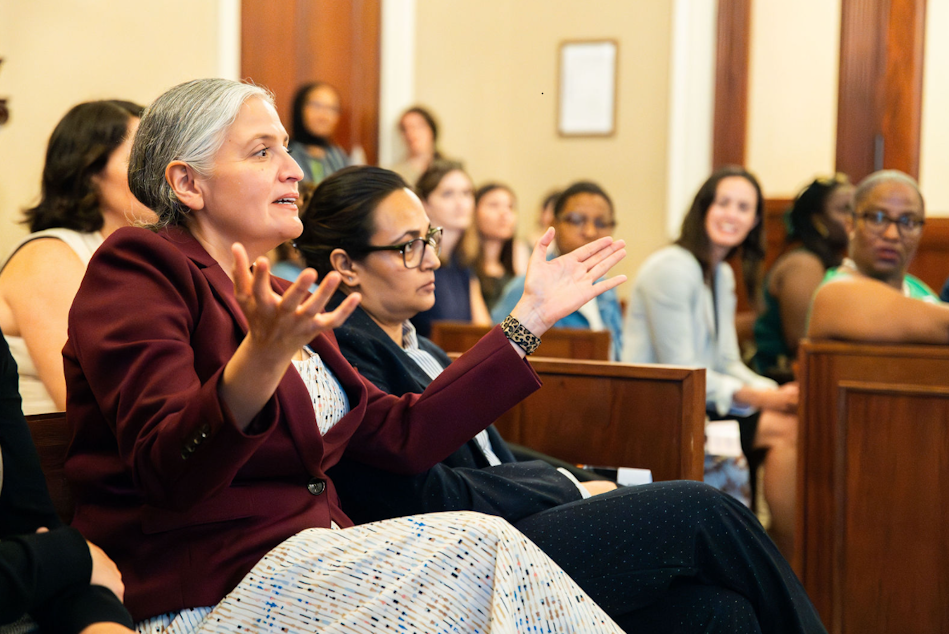
“This important conversation honors the voices of birthing people across Massachusetts, whose experiences continue to guide this work,” said Gardner. “Together, doulas, midwives, public health leaders, and policymakers are advancing solutions to ensure every family is heard, valued, and supported with the care they deserve.”
Participants also reviewed community-informed recommendations aligned with ongoing legislative priorities, including strengthening the maternal health workforce and advancing reimbursement pathways for doulas and midwives to support safe, respectful, and equitable care.
The convening featured remarks and participation from local and statewide leaders including:
- Senator Liz Miranda, 2nd Suffolk District, Massachusetts
- State Representative Marjorie Decker
- Dr. Kiame Mahaniah, Massachusetts Secretary of Health and Human Services
- Dr. Bisola Ojikutu, Commissioner of Public Health and Executive Director of the Boston Public Health Commission
- Michael Curry, President and CEO of the Massachusetts League of Community Health Centers
- Dr. Ndidiamaka Amutah-Onukagha, Center for Maternal Health Advancement, Tufts University
“We know the disparities. We know the data. We know the solutions. The question is: What will it take to fully commit to maternal health equity?,” said Senator Miranda. “Black and Brown women continue to face unacceptable barriers to safe and respectful care. If we are serious about changing outcomes, we must invest in community-led solutions, listen to those most impacted, and ensure that equity is at the center of every policy decision we make.”
“Every mother deserves dignity, and together we can build a system that truly listens and cares,” said Dr. Amutah-Onukagha. “By leading with equity and compassion, we can create a future where every family thrives – rooted in justice and joy.”
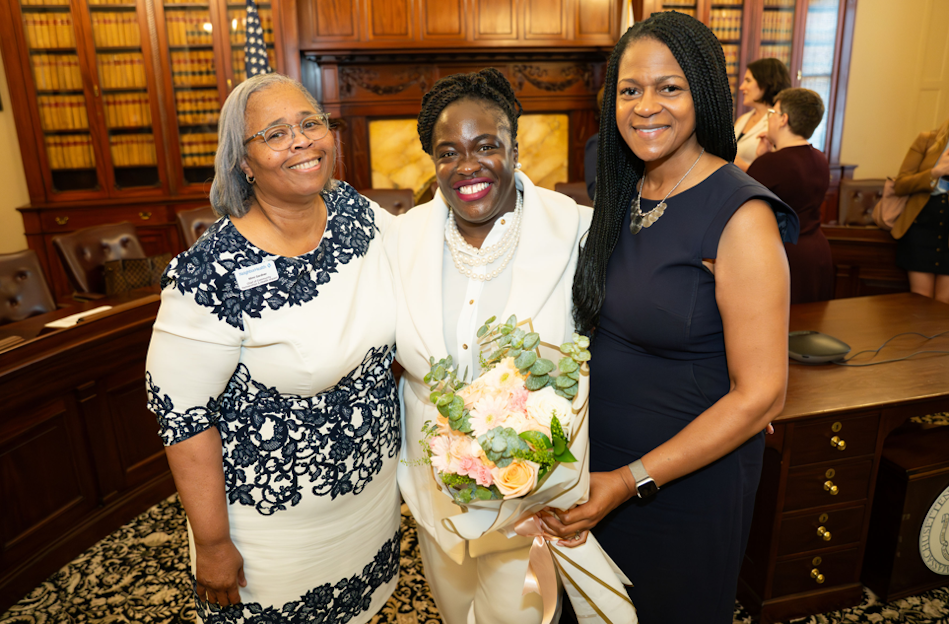
The event underscored the importance of community-led solutions in shaping policy, fostering alignment between community priorities and state-level efforts to advance maternal health equity for families across Massachusetts.
NeighborHealth continues to lead this work through innovative, community-centered models of care and partnerships that expand access and strengthen maternal health services across the Commonwealth.